How Missed Rent Leads to an Eviction Filing
Rent payments are a central part of any landlord tenant relationship, and when those payments are missed, the situation can escalate quickly. While a single late payment does not always result in immediate legal action, repeated or prolonged nonpayment can lead to an eviction filing. Understanding how this process unfolds helps both landlords and tenants recognize the steps involved and the importance of timely communication. General insights from resources such as Phoenix Eviction Lawyer can provide helpful context about how eviction matters are typically handled.
The Importance of Timely Rent Payments
Lease agreements typically outline when rent is due, how it should be paid, and any applicable grace periods. These terms establish clear expectations for both parties and provide a framework for addressing late payments.
When rent is not paid on time, it can create financial strain for property owners and disrupt normal operations. For tenants, missed payments may result in late fees and other consequences outlined in the lease.
Consistent, on time payments help maintain stability and reduce the likelihood of disputes or further action.
What Happens After Rent Is Missed
The first step after a missed payment is often a reminder or notice from the landlord. This communication may outline the amount due, any late fees, and a deadline for payment.
In many cases, this initial step is intended to resolve the issue quickly without escalating the situation. Tenants who respond promptly and address the payment may be able to avoid further action.
However, if the payment remains outstanding, the process may move to the next stage.
Issuing a Formal Notice
If rent continues to go unpaid, landlords typically issue a formal notice. This notice informs the tenant of the default and provides a specific period to either pay the amount owed or vacate the property.
The timeframe for this notice can vary depending on local requirements, but it is a critical step before filing for eviction. The notice serves as an official warning and gives the tenant an opportunity to resolve the issue.
Failure to respond within the designated period may lead to further action, including the initiation of an eviction case.
Escalation to an Eviction Filing
When the notice period expires without payment or resolution, the landlord may proceed with filing for eviction. This involves submitting the necessary documentation to the court and formally initiating the legal process.
The filing outlines the reasons for the eviction, typically focusing on nonpayment of rent and any related lease violations. Once filed, the case is scheduled for a hearing where both parties may present their positions.
Additional considerations, such as lease terms and occupancy status, are often addressed in related discussions like those found through Lippman Recupero, which explore how different circumstances can affect the process.
The Role of Documentation
Documentation is essential throughout the eviction process. Landlords typically rely on lease agreements, payment records, and copies of notices to support their filing.
Clear and accurate records help demonstrate that the required steps were followed and that the tenant was given an opportunity to resolve the issue. For tenants, maintaining their own records can also be important in addressing any disputes.
Court Proceedings and Next Steps
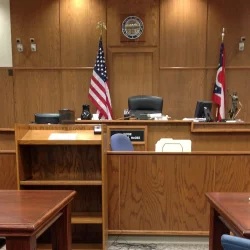
After an eviction filing, the case proceeds to a court hearing. During this hearing, the judge reviews the information provided and determines whether the eviction should move forward.
If the court rules in favor of the landlord, a judgment may be entered, allowing for the recovery of possession. If the tenant addresses the outstanding balance or raises valid concerns, the outcome may differ.
Understanding how the hearing process works can help both parties prepare and respond appropriately.
Opportunities to Resolve the Issue
Even after an eviction filing has been initiated, there may still be opportunities to resolve the situation. Payment of the outstanding balance, negotiated agreements, or other arrangements can sometimes prevent the process from continuing.
Open communication and a willingness to address the issue can play a significant role in finding a solution. Each situation is unique, and the available options depend on the specific circumstances involved.
Impact of an Eviction Filing
An eviction filing can have lasting effects. For tenants, it may impact rental history and future housing opportunities. For landlords, it can involve time, costs, and the need to manage the property during the transition.
These impacts highlight the importance of addressing missed rent early and taking steps to prevent escalation whenever possible.
Preventing Future Issues
Preventing missed rent payments often involves clear communication and proactive planning. Tenants can benefit from budgeting and addressing financial challenges early, while landlords can establish clear policies and maintain consistent communication.
Early intervention can help resolve issues before they develop into larger problems. By focusing on prevention, both parties can reduce the likelihood of eviction filings.
Broader discussions on lease terms and tenant responsibilities, such as those referenced by eviction lawyers for tenants, provide additional perspective on how agreements influence outcomes.
Conclusion
Missed rent payments can set in motion a series of steps that may ultimately lead to an eviction filing. From initial reminders to formal notices and court proceedings, each stage is designed to address nonpayment and resolve the issue.
Understanding how this process works helps both landlords and tenants navigate the situation more effectively. By taking timely action and maintaining clear communication, it is often possible to prevent escalation and reach a more manageable resolution.
More to Read:





Previous Posts:
Next Posts: